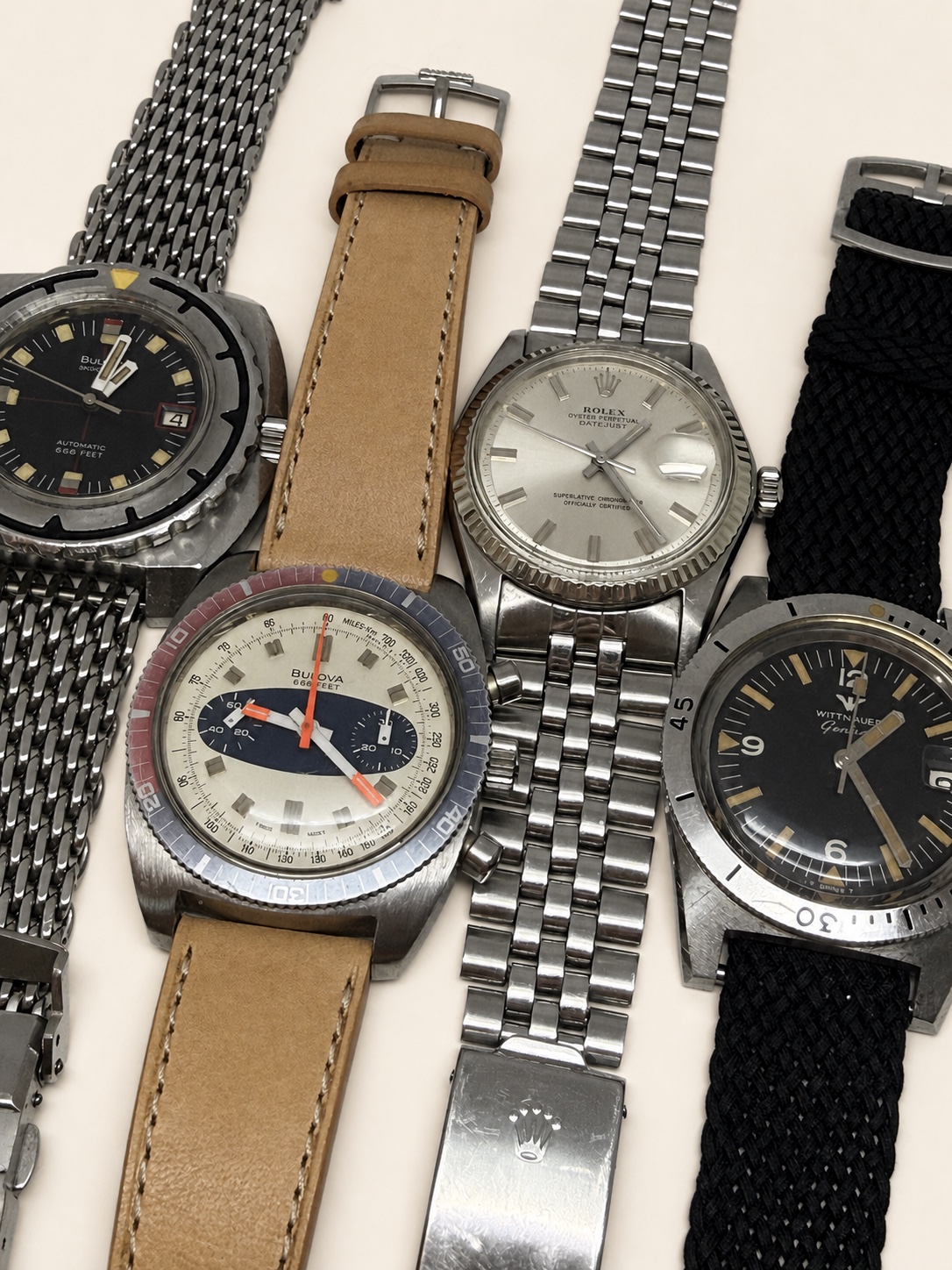
Hero photograph

Patina Horology

Mechanical watches with histories worth continuing.

Thoughtfully restored, carefully curated, and returned to the wrist — not the drawer.

Selected Pieces

A small number, shown in full
Restoration is not about making history disappear. The goal is simpler: preserve what matters, repair what does not, and return each watch to the wrist where it belongs.

Recently Restored

From the Collection and the Archive

Objects worth keeping, made to be worn again.

Follow the Studio
Current Body of Work

Collection

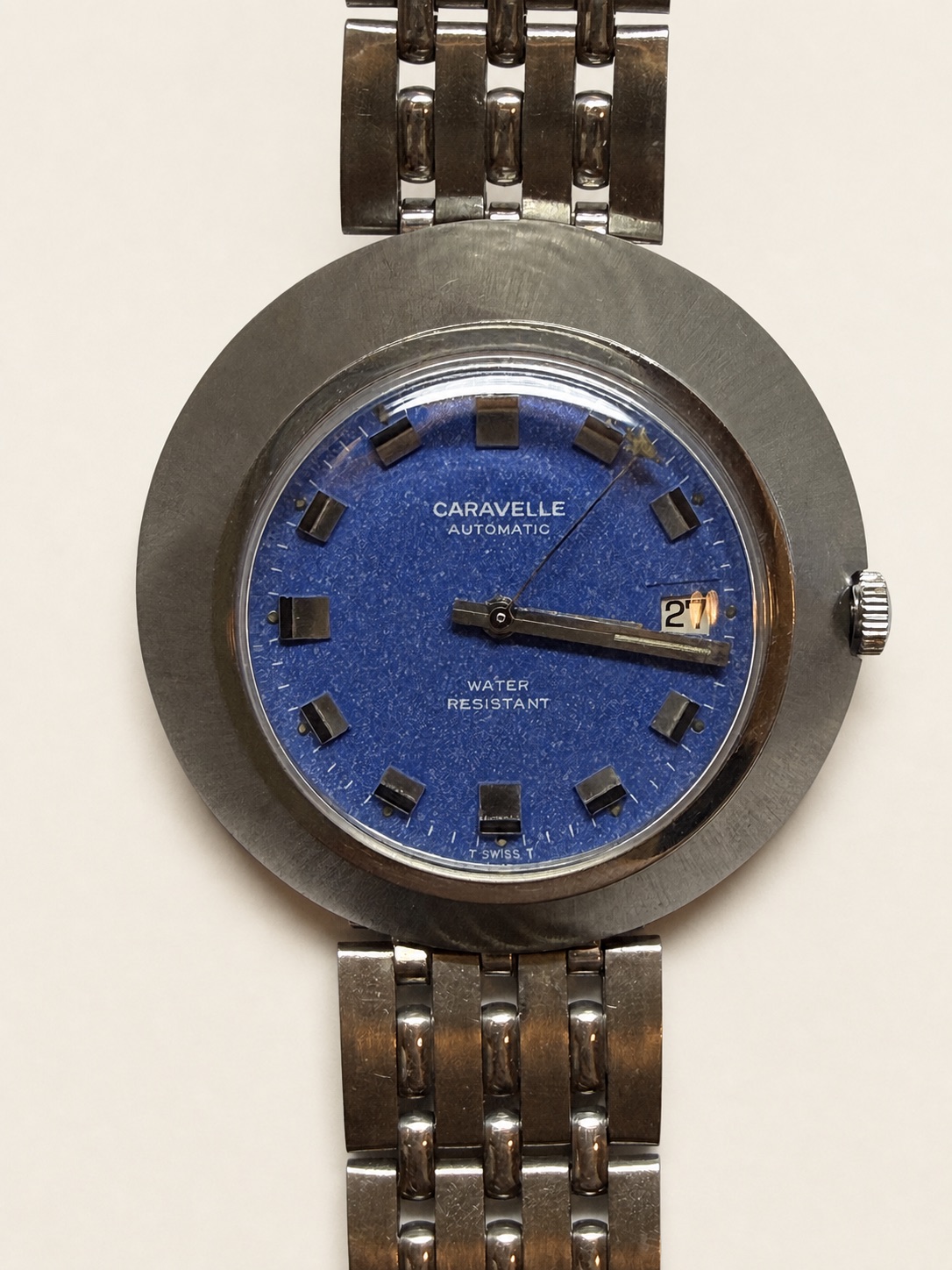
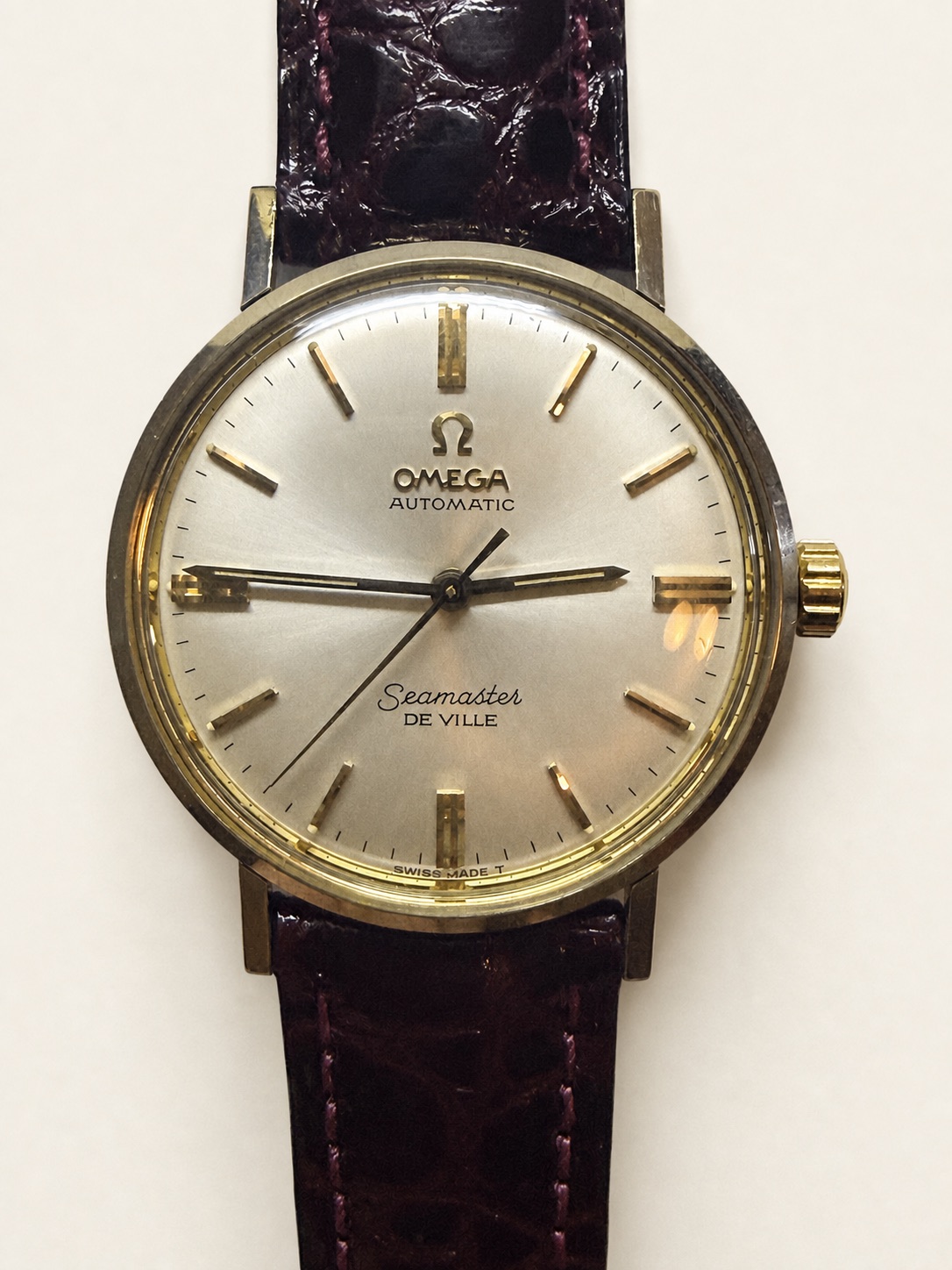
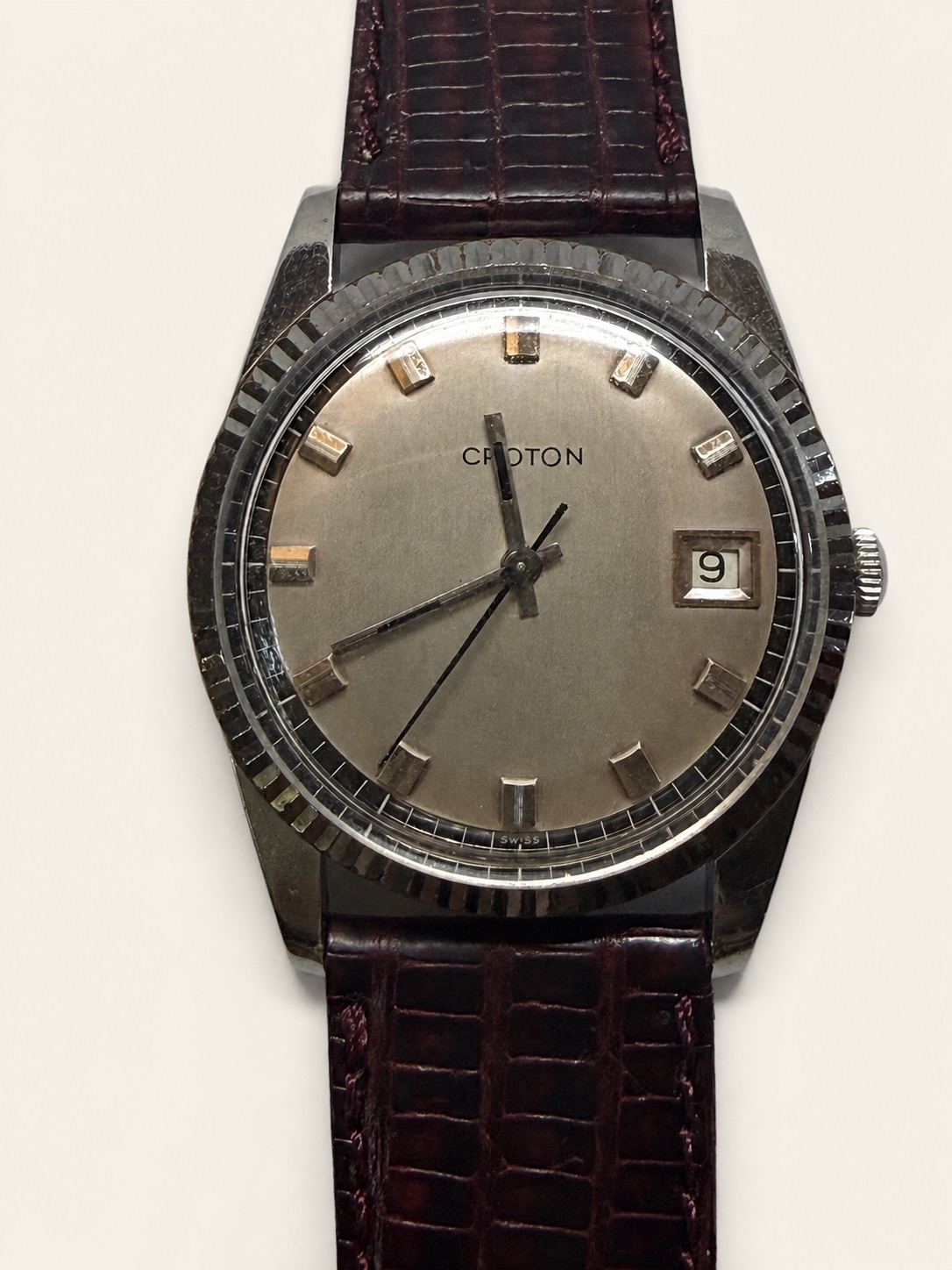
Each piece below is individually restored and catalogued. Availability reflects where a watch stands today — available, reserved, or already found by someone else and moved to the Archive.

The Studio

Mechanical watches were built to be worn.

They were carried through ordinary mornings, long flights, weddings, arguments, promotions, forgotten vacations, and quiet afternoons. Every scratch, faded dial, and service mark is evidence that a life happened around them. Too many eventually end up in drawers. I think that is a shame.

Portrait

The workbench

Every piece is restored individually. Some arrive as neglected estate finds. Others come from my own collection after years of ownership. None are treated as inventory.

This is not a volume business. Every restoration happens because I believe the watch deserves another chapter. If I would not be proud to wear it myself, I will not offer it to someone else.

Why mechanical watches?

A mechanical movement is a small, visible argument that patience and craftsmanship still matter. There is nothing to charge and nothing to update — only something to wind.

Why vintage?

Older watches were built with a different set of assumptions — smaller cases, simpler dials, and a tolerance for honest wear that most new watches aren't allowed to show.

Why restore?

Restoration, done carefully, is an act of restraint rather than erasure. The aim is a watch that runs properly and still looks like it has lived — not one polished into anonymity.

Why so few pieces?

Each watch takes as long as it takes. Working on a handful at a time means every one gets the attention it would get if it were staying in my own collection.

Why not scale?

Scale and care tend to work against each other. This stays small on purpose, so nothing moves faster than the watch actually allows.

The Process
01 — Finding

Finding

Every piece begins with a search — an estate sale, a forgotten drawer, a collection outgrown.

02 — Research

Research

Before any tool is picked up, the watch's history and movement are studied closely.

03 — Disassembly

Disassembly

The movement is carefully taken apart, piece by piece, and catalogued.

04 — Cleaning

Cleaning

Decades of dust and old oil are removed without disturbing what should remain.

05 — Repair

Repair

Worn or damaged parts are repaired first; replacement is the last resort.

06 — Reassembly

Reassembly

The movement is rebuilt by hand, in the order it was taken apart.

07 — Regulation

Regulation

Timing is adjusted and checked across positions until it holds steady.

08 — Photography

Photography

Every piece is photographed as it is — not styled to hide its age.

09 — Another Lifetime

Another Lifetime

The watch is wound, checked once more, and returned to a wrist.

A Record of the Work

Archive

Watches that have already found their next chapter remain here permanently, in full — a record of the studio's evolving taste rather than a list of what's left to sell.

Contact

Interested in a watch? Looking for something specific? Have a piece with an interesting story?

Get in touch. A reply usually comes within a few days.

Message received.

Thank you for writing in. A reply will follow directly.